About the Breed
The Labrador Retriever is a large, agile and muscular
working breed known for loyalty, confidence, courage,
intelligence and versatility. The breed is often valued
as both a devoted family companion and a capable working dog.
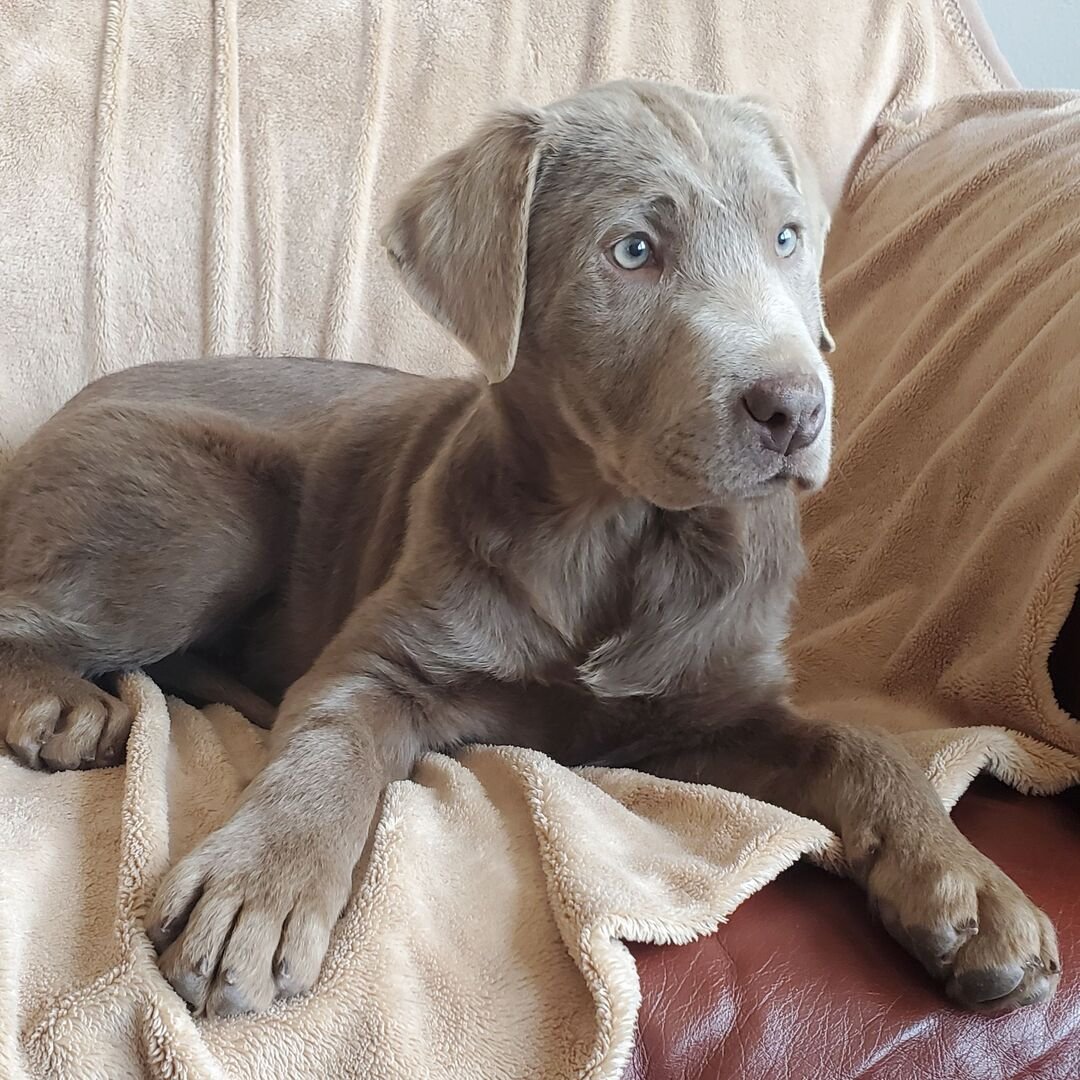
Meet Silver
A Young Labrador Retriever With Character
Silver is a female Labrador Retriever puppy, 12 weeks old and weighing 16.5 lbs.
She is at an exciting stage of early development,
ready to continue discovering her surroundings while
building positive experiences with the people around her.
Breed
Labrador Retriever
Sex
Female
Age
12 Weeks
Adult Weight
55–70 lbs
Family Companion
Labrador Retrievers are affectionate family companions and benefit from companionship,
positive routines and involvement in everyday life.
Intelligent & Versatile
Their intelligence and eagerness to please can make them responsive to training
and well suited to a variety of family activities.
Loyal Character
Friendliness, loyalty and an eager-to-please nature are among the
characteristics commonly associated with the breed.
Friendly
Intelligent
Affectionate
Eager to Please
Versatile
Health
Labrador Retrievers can be healthy dogs, although the breed
can be affected by certain inherited and acquired conditions.
Responsible breeding and appropriate veterinary care are
important parts of maintaining long-term health.
Routine Care
Regular veterinary examinations, appropriate
vaccinations, parasite prevention and a balanced
lifestyle help support general wellbeing.
Breed Screening
Hip and elbow evaluations are commonly considered important health screenings,
and responsible breeders may also screen for inherited conditions.
Important Awareness
Owners should be aware of conditions such as hip and elbow dysplasia,
progressive retinal atrophy and exercise-related concerns,
and discuss any health questions with a veterinarian.
Grooming
The Labrador Retriever has a medium-length double coat consisting
of a dense outer coat and softer undercoat. Regular grooming
helps remove loose hair and keeps the coat looking healthy.
Brushing
Brushing once or twice a week can help remove loose hair.
More frequent brushing may be useful during heavier
shedding periods.
Bathing
Labrador Retrievers generally need occasional bathing,
particularly when they become dirty after outdoor play or swimming.
Nails
Nails should be checked regularly and trimmed or
ground when they are not naturally worn down.
Exercise
The Labrador Retriever is an active and athletic breed.
Appropriate exercise supports physical fitness and mental
wellbeing, with a puppy's activity adjusted to age and development.
Daily Activity
Regular age-appropriate movement, play and exploration can help support a healthy routine,
while avoiding excessive exercise during puppy development.
Mental Stimulation
Retrieving games, scent activities and other age-appropriate challenges
can provide useful mental engagement.
Puppy Pace
Puppies should begin with suitable short activities
and play sessions rather than being pushed into
excessive exercise.
Training
Early socialization and puppy training are important for
helping a Labrador Retriever develop into an adaptable,
confident and well-mannered companion. Positive,
reward-based methods and consistency can produce excellent results.
Start Early
Puppy training and appropriate socialization can
begin early, building positive habits and confidence
over time.
Positive Training
Consistent, reward-based training can make learning
clear and enjoyable while reinforcing desirable behaviors.
Family Involvement
Involving the family in consistent routines and training can be valuable because
Labrador Retrievers often enjoy close interaction with their people.
Nutrition
A complete, balanced dog food appropriate for a puppy's age
and stage of development should provide the nutrients needed
for growth. Individual feeding requirements can vary, so
veterinary guidance is appropriate when questions arise.
Age-Appropriate Food
Choose a complete food formulated for puppies and
follow feeding guidance appropriate for the puppy's
size and development.
Treats & Extras
Treats can be useful during training but should
remain a modest part of the overall diet.
Table scraps should be limited.
Fresh Water
Fresh, clean water should be available throughout
the day, with feeding and hydration needs discussed
with a veterinarian when necessary.
 Available
1 / 5